How Often to Water New Plants: A Simple 12-Week Schedule
November 14, 2026 · Updated November 16, 2026
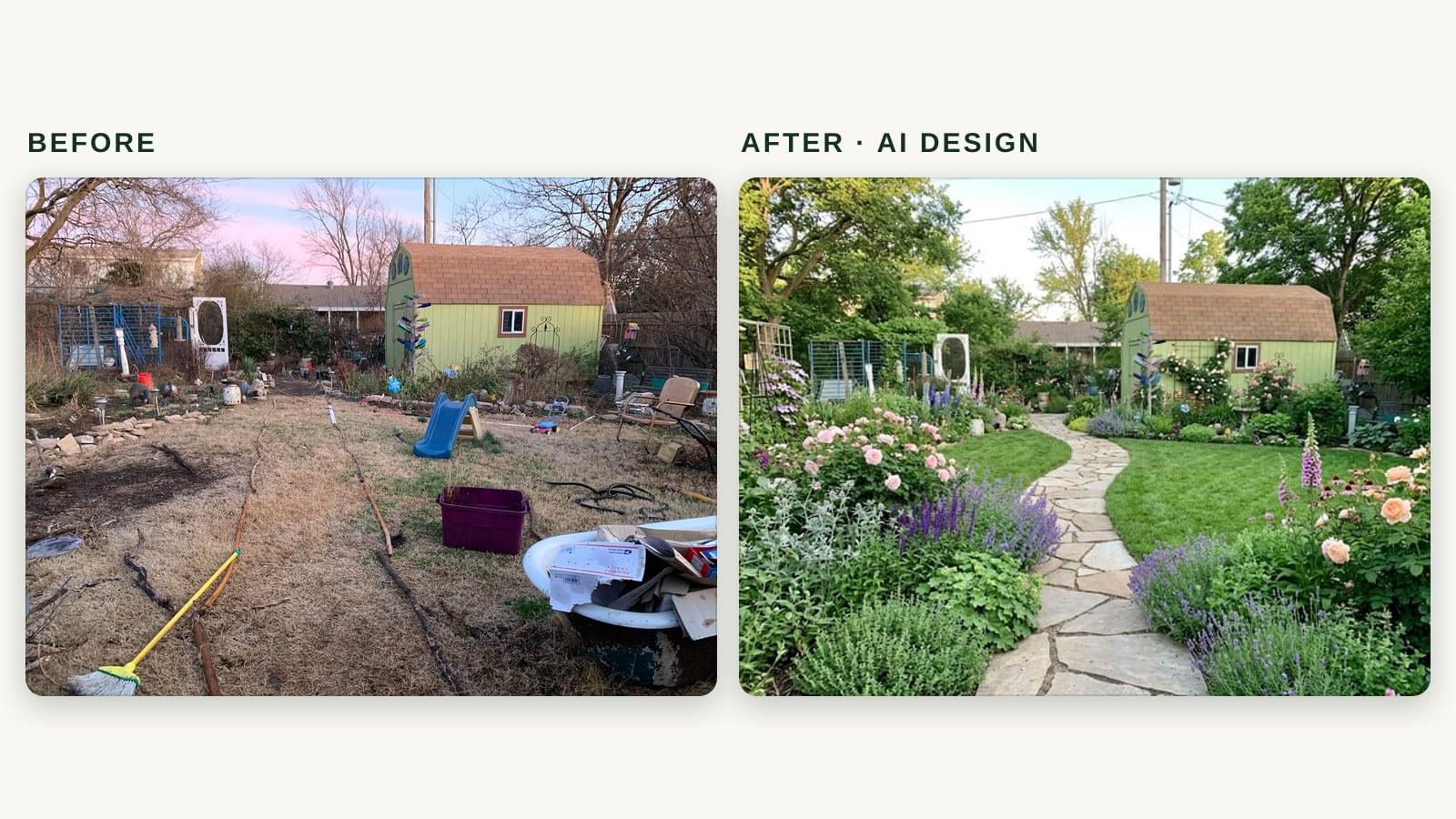
Clemson Extension puts it simply: many plants die from too much or too little water in the first months after planting. Early on, the roots are still mostly inside the nursery root ball and can't reach the water in the soil around them. The fix is a schedule that starts often and tapers, plus a soil check so the schedule doesn't drown them.
Here's the most useful honest answer, taken from university extension services, for the three things people usually plant: trees and shrubs, new lawn, and dry-garden plants.
Checked in October 2026 against the extension pages linked below. Weather, soil and plant matter more than any calendar; your plant tag and local extension office win ties.
The 12-week schedule at a glance
| Trees & shrubs | New seed | New sod | Cacti & succulents | |
|---|---|---|---|---|
| Planting day | Water immediately, soaking the root ball | Keep the seed zone moist | Soak through the sod into the soil below | Water sparingly; check the plant's tag |
| Weeks 1–2 | Every day | Light watering, 2–3 times a day | Daily, as needed | Keep the root zone slightly damp, never wet |
| Weeks 3–12 | Every 2–3 days | Less often, but deeper, once it's growing | Deeper, less often once rooted | Check at rooting depth first; never keep it wet |
| After week 12 | Weekly until first frost | Water like the rest of the lawn | Water like the rest of the lawn | Occasional, in long hot dry spells |
Sources: Penn State Extension and University of Minnesota Extension (trees and shrubs), Clemson HGIC and Illinois Extension (seed and sod), University of Arizona Extension (cacti). Details below.
Trees and shrubs: the Penn State schedule
Penn State Extension's guide to watering a newly planted tree is the clearest version:
- Weeks 1–2: water daily.
- Weeks 3–12: water every 2 to 3 days.
- After week 12: water weekly until the first frost.
- How much: 1 to 1.5 gallons per inch of trunk diameter each time, spread over the whole root zone, not just at the trunk.
The University of Minnesota Extension gives the same daily / every 2–3 days / weekly pattern for trees and shrubs, which is a good sign it isn't one author's preference.
Two things people miss:
- It doesn't end at 12 weeks. Penn State says to keep watering weekly through the first year until the tree is established, which in Zones 2 to 6 can take about a year per inch of trunk diameter.
- Fall planting pauses, it doesn't reset. If you plant in autumn, Penn State says to follow the schedule until the first frost, then resume weekly watering in spring through the end of the growing season. (Fall is a good time to plant in much of the country; see our fall cleanup post for what extension services say about the window.)
One practical note from Clemson's Home & Garden Information Center: a lawn sprinkler usually can't give a new shrub enough water without overwatering everything else. Water new plants by hand with a hose, or with a temporary drip setup aimed at them.
The soil check: do this before every watering
A schedule tells you when to check. The soil tells you whether to water.
- Shrubs and perennials: Clemson suggests poking a finger into the root ball itself. The root ball can dry out even when the soil around it feels moist, so check the ball, not just the bed.
- Trees: check deeper. Minnesota says to feel the soil 4 to 8 inches down; Penn State suggests a probe at 6 to 9 inches in the rooting zone. If it's moist there, skip the water.
- The squeeze test: Clemson's version is to squeeze a handful of soil from beside the root ball. Water dripping out means too much; soil that crumbles means too little.
Overwatering is the other way to lose a new plant
Penn State is blunt: over-watering "can be just as harmful as under-watering, particularly in clay and compacted soils." Waterlogged soil pushes out air, and roots sitting in it for long can suffocate. Clemson adds that water collecting in a planting hole in poorly drained soil can drown roots.
So if a new plant looks unhappy and the soil is still wet, the answer is not more water. Let it dry down, and let the soil check, not the calendar, make the call.
New lawn: seed and sod are different
Seed needs the top layer kept constantly moist, which means little and often. Clemson suggests watering two or three times a day in small amounts for about two to three weeks, then watering less often but with more volume as the roots develop. Illinois Extension says the same in short form: keep the seed zone moist, then go deeper and less often once it germinates.
Sod needs the soil under it wet. Water thoroughly right after laying, until it soaks through to the soil below (Clemson says to a depth of 4 inches). After that:
- Illinois says sod begins to root within about 14 days, acts like mulch over the soil, and often needs less water than people think: keep the soil moist, not saturated. Lift a corner to check.
- Penn State says to water daily, if needed, until the sod is well rooted, which may take up to 4 weeks.
- Tug on a corner. When it resists, it's rooting, and you can switch to deeper, less frequent watering.
Dry gardens, succulents and cacti: less, but not none
"Drought-tolerant" describes an established plant, not a new one. Colorado State Extension notes that even drought-tolerant plants "require regular and relatively high amounts of water after transplanting," and can only be weaned off once they're established. So xeric shrubs and perennials still need a real first-season routine.
Cacti and succulents are the exception that rots. The University of Arizona Extension's guide to cactus, agave, yucca and ocotillo (2009, written for Arizona) says to keep the root zone only slightly damp after transplanting until new roots form, never let water puddle at the base, check moisture at rooting depth before watering again, and, if in doubt, don't. For cacti dug and replanted, it goes further: plant in dry soil and hold off watering until new growth appears. Most desert plants, it says, tolerate too little moisture better than too much.
If your dry garden mixes both, water the shrubs on their schedule and keep the succulents out of the spray.
If you'd rather not keep the schedule in your head
Full disclosure: we make Yardscaper, an app that turns a photo of your yard into a photorealistic redesign with a plant & materials list. For homeowners, a saved design's "How would I build this?" guide ends with a watering plan: when you say you've planted, it picks a plan for what went in (trees, shrubs and perennials on the Penn State schedule; daily watering for about three weeks for new seed or sod; deep watering every few days, then about weekly, for dry gardens) and adds the waterings to your calendar. Each one starts with a soil check, and it doesn't claim to know your weather: a rainy week still means checking before you water.
It's a reminder system, not a replacement for the soil check or your plant tags.
In one line
- New shrubs and trees → daily for 2 weeks, every 2–3 days to week 12, weekly after; check the soil first.
- New seed → light and often for 2–3 weeks, then deeper and less often.
- New sod → soak it, keep the soil under it moist until it roots, then taper.
- Succulents and cacti → sparingly; if in doubt, don't.
Still planning what to plant? See it on your own yard first.
Try Yardscaper's free demo (3 designs, no account) → yardscaper.app/try
FAQ
How often should I water new shrubs and trees?
Penn State Extension's schedule for newly planted trees: water daily for the first 1 to 2 weeks, every 2 to 3 days from week 3 to week 12, then weekly until the first frost. The University of Minnesota Extension gives the same schedule for trees and shrubs. Check the soil before each watering and skip it if the root zone is still moist, because overwatering harms new roots too, especially in clay.
How long do I need to water new sod every day?
Until it roots, which is usually a matter of weeks. Illinois Extension says sod begins to root within about 14 days, and Penn State says daily watering (if needed) may be required for up to 4 weeks, depending on site and weather. Tug on a corner: when it resists, it's rooting, and you can switch to deeper, less frequent watering.
Can you overwater new plants?
Yes. Penn State Extension says over-watering can be just as harmful as under-watering, particularly in clay and compacted soils, because waterlogged soil can suffocate roots. Check before you water: if the soil in the root zone is still moist, wait. For cacti and succulents the margin is smaller still; University of Arizona Extension's rule is 'if in doubt, don't.'
See any yard transformed in seconds — free, no signup.